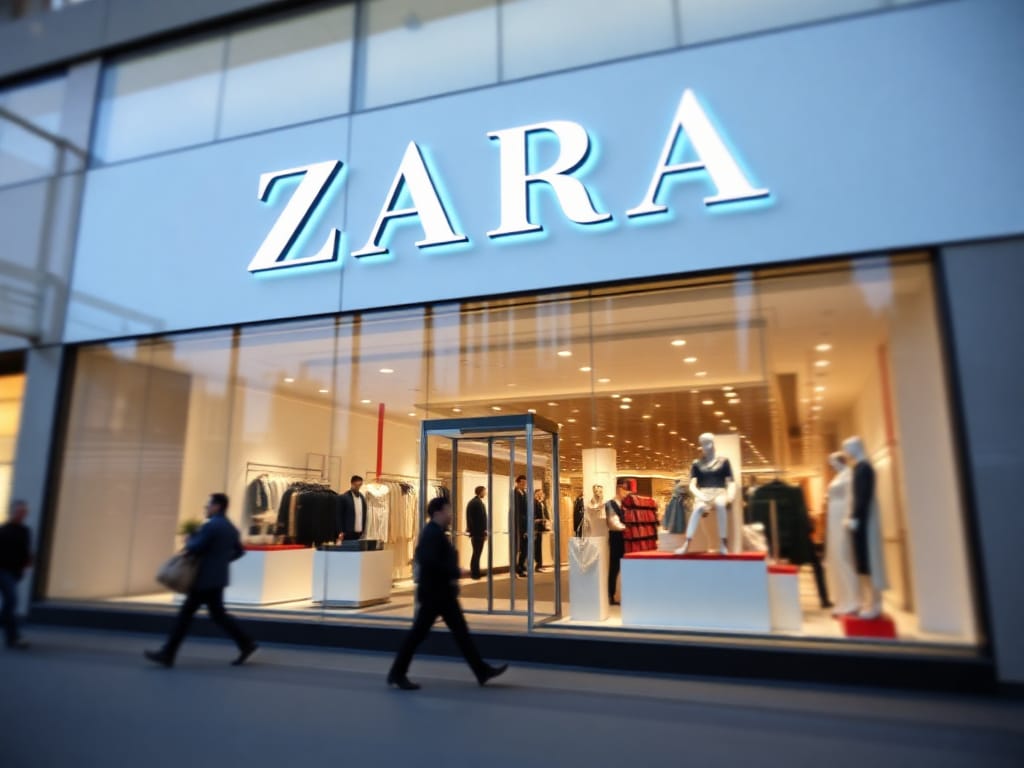
How Does Zara Make More Money by Closing Stores? The Secret Behind the Spanish Giant’s Highly Effective Strategy
© vfhnb12
Subscribe to Must-See News
Subscribe
Learn more about our privacy policy
Fewer stores, yet more profit. At Zara, this may seem completely illogical. However, the Spanish fashion behemoth continues to rack up impressive performances. By 2025, its parent company Inditex nearly hit the 40 billion euros mark in revenue and recorded a record profit of around 6.8 billion euros. What’s astonishing is that these results come as the total number of the group’s stores decreased by about 6% over three years, as reported by LSA. This poses a puzzling question: how can a brand increase its earnings by closing stores?
At first glance, the strategy seems risky. In retail, reducing the number of outlets typically means fewer customers and, consequently, fewer sales. However, Zara appears to be embracing the opposite approach. The brand continues to enhance its performance while gradually reducing the number of its stores worldwide. Behind this apparent contradiction lies a deep transformation in its sales approach.
Zara isn’t really disappearing from city centers; the brand is simply changing its format. Over the past few years, the company has been closing smaller shops, often scattered across shopping malls or side streets, to invest in massive stores located in the most strategic positions. These “mega-stores,” sometimes spanning several floors, replace several smaller outlets on their own. As a result, even with fewer addresses, the total sales floor area of the group has actually increased by about 5.3%.
© maabaff
The new stores are radically different from the Zara outlets of ten years ago. They are larger, brighter, and far more modern, allowing for the display of more collections and offering a smoother shopping experience for customers. A single flagship store can attract thousands of visitors per day and generate as much sales as several smaller shops combined. For the brand, this move is doubly beneficial: fewer scattered rent payments, simplified stock management, and significantly higher profitability per square meter.
But these XXL stores also have a much less visible role to customers. They have become key components of the group’s digital strategy. They serve as pick-up points for online orders, return centers for items, or even as hubs for preparing online orders directly from the store. This is crucial as e-commerce now accounts for about 27% of Inditex’s revenue.
By focusing its investments on larger, better-located, and digitally connected stores, Zara is successfully making a counterintuitive bet: selling more with fewer outlets. This quiet but incredibly effective strategy largely explains the record-breaking results of the Spanish fashion giant.
Similar Posts:
- 80s Fashion Icon Revives: Kookaï and Desigual Make a Spectacular Comeback!
- Zara Unveiled: Secrets Behind the Fast Fashion Giant’s Success!
- Famous French Shoe Brand Faces Bankruptcy After Minelli and San Marina
- No More Long Pants: This Store’s Secret Free Service is a Huge Hit!
- New Shopping Haven Banks on Unexpected Advantage as Fashion Trembles

Olivia Martinez is the Fashion Editor at Lady and The Track, bringing over seven years of experience in the fashion industry. With a background in fashion design and styling, Olivia has worked with top fashion brands and magazines. Her keen eye for trends and styling tips helps readers stay ahead of the fashion curve. Whether she’s covering runway shows or street style, Olivia ensures that Lady and The Track readers are always in the know when it comes to the latest in fashion.