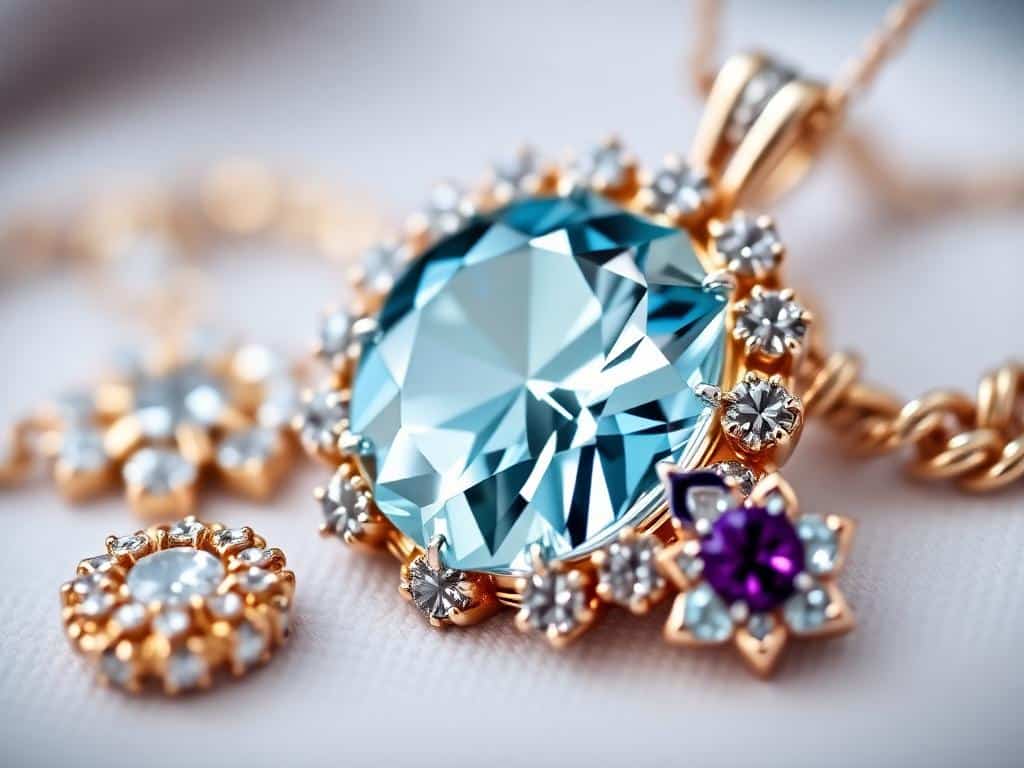
Avoid Falling into the Counterfeit Trap
Counterfeiting has been around since time immemorial. Everyone copies and reproduces, even if it’s not exactly legal… But who hasn’t asked a jeweler to make a ring similar to one from a luxury brand? However, buying a counterfeit thinking it’s genuine is a completely different issue. Especially today, it’s become hard to spot the fakes.
In the past, counterfeits seemed too good to be true. Nowadays, even though the price might make you think twice, the certificates, packaging, and markings on the jewelry can look so authentic that you’re convinced it’s the real deal. But in reality, it’s not.
The statistics are quite shocking. According to Catawiki, the online auction platform, in France, jewelry is one of the categories that has seen the highest increase in rejections due to authenticity issues, with a 75% increase compared to 2023!
“Counterfeiting in branded jewelry has radically changed,” says Francesca Floramo, a jewelry expert at Catawiki. “What used to be simple crude imitations are now sophisticated counterfeits made using 3D printing, AI tools, and high-quality materials. That’s exactly what makes them dangerous.”
But how can you tell the difference between counterfeit and authentic jewelry? Here are some tips from the expert. First, examine the jewelry in detail. Are the hallmarks, logos, and serial numbers clearly aligned? If not, it’s a counterfeit.
Details Matter in Spotting Fakes
The same goes for the setting of the stones and the finishing touches. If there are slight imperfections, which wouldn’t be the case with luxury products, then it’s not genuine. The same applies to boxes and certificates: is the font too large? Is the logo poorly centered? Does the color not match the brand’s usual palette? Then it’s not genuine! The detail that no one checks is perfection.
As Francesca Floramo rightly points out: “In high-end jewelry, perfection is the standard. Authentic pieces feature impeccable finishes: uniform microbeads, precise settings, and perfectly positioned stones. Counterfeits may mimic the shape, but not the precision: irregular texture, lack of luster, rough execution.”
Understanding these nuances is crucial in distinguishing real luxury jewelry from the counterfeit versions that are increasingly infiltrating the market. Always scrutinize the details that hallmark genuine luxury goods, and consider purchasing from reputable sources to ensure authenticity.
Similar Posts:
- Spot a Fake Polène Bag in 3 Seconds: Unmissable Tell-Tale Sign!
- Thrift Shoppers Reveal Simple Trick to Finding Quality Jewelry at Flea Markets!
- Uncover True Vintage: The Single Label Check That Guarantees Quality!
- Ultimate Clothing Care Guide: Top Tips You Need to Know!
- Jewelry Matching Secrets Revealed by Expert: Never Make a Mistake Again!

Olivia Martinez is the Fashion Editor at Lady and The Track, bringing over seven years of experience in the fashion industry. With a background in fashion design and styling, Olivia has worked with top fashion brands and magazines. Her keen eye for trends and styling tips helps readers stay ahead of the fashion curve. Whether she’s covering runway shows or street style, Olivia ensures that Lady and The Track readers are always in the know when it comes to the latest in fashion.