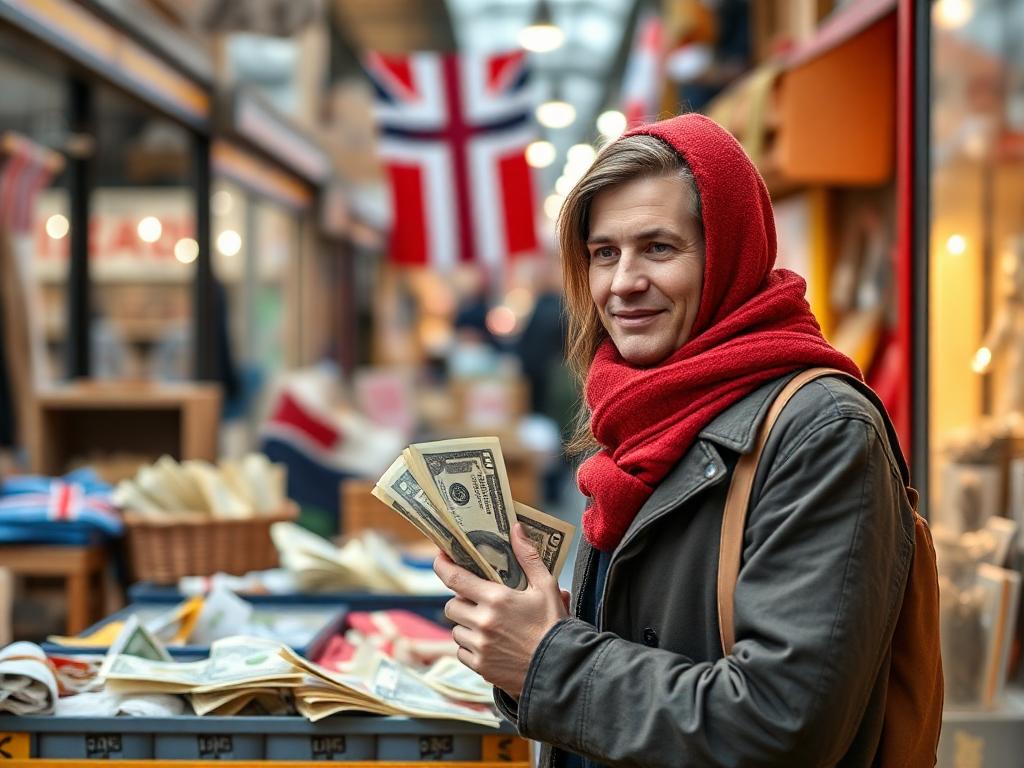
Reviving the Thrift Market: A Danish Tactic for Effortless and Swift Sales
Dealing in second-hand goods can be a relentless pursuit. The process of revitalizing dormant clothing into profitable sales is no easy feat. Although the financial rewards and satisfaction of giving items a second life are substantial, the energy and time required can be overwhelming. Seasoned thrifters and Vinties understand that it takes significant dedication to emerge successful in the resale market. While numerous strategies exist in France to sell items more quickly and effortlessly, it appears that a glance across the continent might reveal some overlooked methods.
In Denmark, locals have mastered an incredibly efficient way to offload their old clothes without exhausting themselves. Instead of registering for a local market and enduring the exhausting preparation for the event, Danes set up a street stall right outside their homes. Using shelves, tables, and racks, they display items they wish to part with. These items are available for passersby to browse and purchase in a self-service manner, though they are not free. Buyers have the option to pay online via platforms like MobilePay or to drop cash into a designated mailbox.
The Efficiency of Danish Street Stalls
The time and energy saved with this approach are significant: sellers don’t need to wake up at dawn, prepare their booth, pack clothes, load furniture and racks into their vehicles, or transport them to the market location. Moreover, they avoid the social interactions and lengthy negotiations with customers that can be exhausting. For regular users of platforms like Vinted, the advantages are just as appealing: there’s no need to photograph clothing, write detailed descriptions, or respond to online inquiries. Instead, sellers simply display their garments and let the items speak for themselves, much like a shop window. This method is an ideal solution for fashion enthusiasts who are undecided about whether to sell or donate their unused clothes.
This concept is known as the “Honesty Shop.” While it fits seamlessly into the fashion sector, it’s been replicated across various fields in Scandinavia, including home decor, furniture, and agricultural products. To some French skeptics, the concept might seem utopian: the system relies entirely on trust—something seemingly more abundant in what’s considered “the second happiest country in the world by 2025,” known for “one of the highest rates of return for lost wallets.” However, this might be more challenging to implement elsewhere due to cultural differences in trust and community.
Practical and Legal Considerations in France
The feasibility of this model in France involves both practical and legal considerations. On French soil, public street sales require permits issued by the local municipality. This regulatory requirement could pose a barrier to the spontaneous street stall model used by the Danes.
In summary, while the Danish approach offers an appealing alternative to traditional second-hand selling methods, adapting it to different national contexts could require navigating both cultural nuances and local regulations.
Similar Posts:
- Woman Leaves Flea Market Empty-Handed by Noon Due to Shocking Habit!
- Must-Buy Alert: This Affordable French Brand Tops Vinted Sales!
- Warning: Sellers on Vinted Use This Sneaky Trick to Inflate Prices Unnoticed!
- Ralph Lauren, Zara, Uniqlo Clothes for Free? Discover the Simple Condition to Get Yours!
- Get Fined $80 for This Common Clothing Mistake!

Olivia Martinez is the Fashion Editor at Lady and The Track, bringing over seven years of experience in the fashion industry. With a background in fashion design and styling, Olivia has worked with top fashion brands and magazines. Her keen eye for trends and styling tips helps readers stay ahead of the fashion curve. Whether she’s covering runway shows or street style, Olivia ensures that Lady and The Track readers are always in the know when it comes to the latest in fashion.