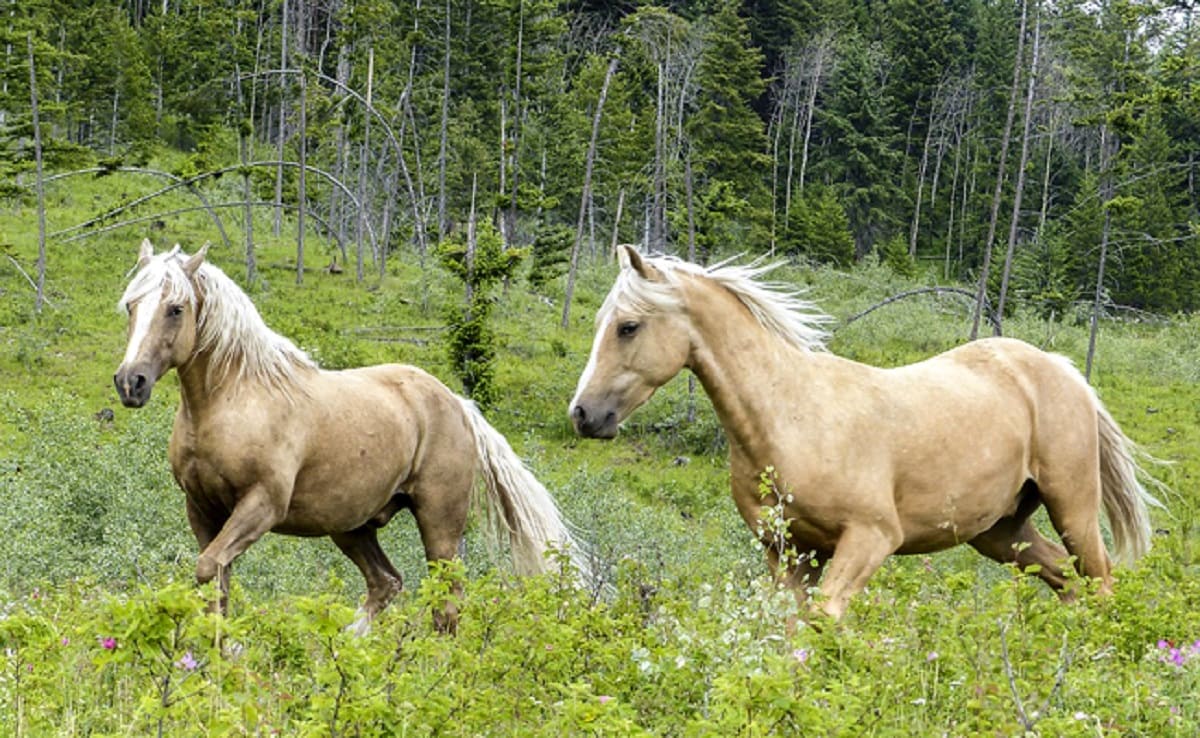
The Quarter Horse is an iconic breed that traces its origins back to America, holding the distinction of being one of the oldest horse breeds on the continent. Renowned for its strength and versatility, this horse earned its name due to its incredible speed over short distances, particularly in quarter-mile sprints. This characteristic made the Quarter Horse a favorite among cowboys and settlers in the American West, and it remains highly valued in various equestrian disciplines today.
The Rich History of the Quarter Horse
The story of the Quarter Horse begins in the early 1660s, when settlers in America sought to breed horses that were not only fast but could also win the short races that were popular at the time. They started by crossing horses imported from Spain with English breeds, leading to the creation of what was then known as the “Celebrated American Quarter Running Horse.” By the 18th century, horse racing had gained significant popularity in Europe, and one particular breeder in Virginia crossed a local mare with the descendant of an English Thoroughbred stallion. The resulting horse was both fast and sturdy, qualities that proved invaluable as American settlers moved westward. Today’s Quarter Horse is partly descended from these early breeds, along with influences from the Mustang of Mississippi.
The Distinctive Morphology of the Quarter Horse
The Quarter Horse is a sight to behold, with a proud stance and a strong, compact build. Its head is small but well-proportioned, with a broad forehead, pronounced jawline, and expressive, wide-set eyes. The ears are short, and the face has a slightly concave profile. The neck is long, supple, and attaches high on the shoulders, giving the horse a dignified appearance. The body is muscular, with a broad chest and powerful hindquarters that are especially well-developed. The legs are solid, ending in feet that are relatively small compared to the horse’s overall size, but they are strong and capable of supporting its muscular frame.
The Gentle Temperament and Behavior of the Quarter Horse
One of the most remarkable aspects of the Quarter Horse is its temperament. This breed is known for being exceptionally affectionate and intelligent, with a lively yet calm demeanor. Over centuries, the Quarter Horse has been bred not only for its speed but also for its cooperative nature. It is a horse that is easy to work with, making it suitable for a variety of activities—from competitive racing to leisurely family rides. Its calm and obedient nature also makes it an excellent choice for working on a ranch, where it can herd cattle with ease. It’s no wonder that parents feel comfortable letting their children ride these horses; they are both safe and reliable.
Health and Care for the Quarter Horse
When it comes to care, the Quarter Horse is quite hardy and doesn’t require much maintenance. However, like any outdoor animal, it benefits from regular grooming, especially if it has a light-colored coat that can easily show dirt. Regular visits from a farrier are essential to keep its hooves in good condition, and it’s also advisable to schedule routine check-ups with an equine osteopath and dentist to ensure overall health.
Versatile Uses of the Quarter Horse
The Quarter Horse is incredibly versatile, excelling in a range of activities, particularly in Western riding disciplines such as cutting, reining, trail riding, and Western pleasure. Western riding itself has deep roots in American history, evolving in the 19th century as a style of riding used by cowboys for cattle work. Today, it’s not just a form of work; it’s a competitive sport and a popular pastime. Beyond Western disciplines, the Quarter Horse is also used for trail riding and recreational riding. In the United States, you’ll find this breed competing in everything from classical dressage to speed events like the All American Futurity, which boasts multi-million dollar prizes and generates significant betting activity.
The Quarter Horse in France
In France, the Quarter Horse was introduced relatively recently, with the breed only gaining recognition in 1984. The French Association of the Quarter Horse (AFQH), established in 1981, played a crucial role in bringing this breed to the country. In 1985, the first group of 15 Quarter Horses was imported to France, and the breed has since flourished. By 2007, there were around 5,000 Quarter Horses in France, and this number grew to 8,400 by 2014, making France the fifth-largest home for this breed worldwide.
Whether you’re considering a Quarter Horse as a companion for leisurely rides or as a competitive racehorse, be prepared to invest anywhere from €3,000 to €15,000 for one of these exceptional animals. Regardless of its intended purpose, the Quarter Horse remains a gentle, intelligent, and reliable choice, embodying the best qualities of a well-rounded equine companion.
Similar Posts:
- Exploring the world’s rarest horse breeds
- Grey Wizard Set to Make History in Melbourne Cup – First U.S. Horse Ever?
- Fibber’s Quest for Glory: From Claimer to Contender in the Dogwood Stakes!
- Olympics 2024: “Jumping 1.2 meters isn’t easy,” should “hobby horse” replace traditional equestrian events in modern pentathlon?
- Fierce Workouts: Explore Tuesday’s 9 Top Graded Winners!

Ethan Reynolds is a culinary expert and recipe creator for Lady and The Track. With a degree in culinary arts and over a decade of experience as a professional chef, Ethan brings his love for cooking to the site’s recipe section. He specializes in creating easy-to-follow, delicious recipes for home cooks, from weeknight meals to gourmet dishes. Outside the kitchen, Ethan enjoys teaching cooking classes and experimenting with new flavors.